Reproductive Rights, Health, and Justice Organizations Oppose the Nomination of Dr. Erica Schwartz for Director of the Centers for Disease Control & Prevention
Letter of Concern Regarding Daniel Rendleman’s Nomination for U.S. Court of Appeals for Veterans Claims
New Polling Finds Americans Struggling to Afford Basic Needs While Trump Administration Agenda Remains Unpopular
Intended vs. Implemented: The Still Unfulfilled Promise of the Affordable Care Act’s Birth Control Benefit – A Report Based on Learnings from the National Women’s Law Center’s CoverHer Hotline
New Polling Finds Americans Struggling to Afford Basic Needs While Trump Administration Agenda Remains Unpopular
New Polling Finds Americans Struggling to Afford Basic Needs While Trump Administration Agenda Remains Unpopular
Attacks on Head Start are Part of a Sustained Strategy to Undermine Progress for Families with Low Incomes: A Timeline of the Trump Administrations Efforts to Eliminate the Program
Squeezing the Budget: Two Decades of Data Reveal Widening Disparities as Spending for Basic Needs Outpaces Income Growth for Lower-Income Households
Reproductive Rights, Health, and Justice Organizations Oppose the Nomination of Dr. Erica Schwartz for Director of the Centers for Disease Control & Prevention
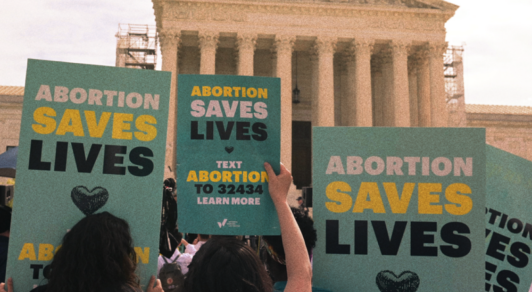
30+ Organizations Raise Concerns About the Anti-Abortion and Anti-Voting Rights Records of President Trump’s Recent Judicial Nominees
Amidst the Trump Administration Reviving Anti-Survivor Regulations, Women’s Rights and Gender Justice Organizations Call for Action
New Polling Finds Americans Struggling to Afford Basic Needs While Trump Administration Agenda Remains Unpopular
Intended vs. Implemented: The Still Unfulfilled Promise of the Affordable Care Act’s Birth Control Benefit – A Report Based on Learnings from the National Women’s Law Center’s CoverHer Hotline
Reproductive Rights, Health, and Justice Organizations Oppose the Nomination of Dr. Erica Schwartz for Director of the Centers for Disease Control & Prevention
Squeezing the Budget: Two Decades of Data Reveal Widening Disparities as Spending for Basic Needs Outpaces Income Growth for Lower-Income Households
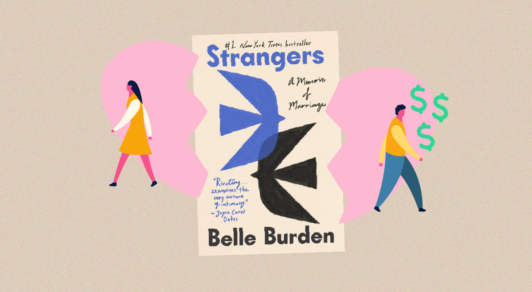
Belle Burden’s “Strangers” Shows How Project 2025’s Pronatalist Policies Will Trap Women in Poverty as They Age
Intended vs. Implemented: The Still Unfulfilled Promise of the Affordable Care Act’s Birth Control Benefit – A Report Based on Learnings from the National Women’s Law Center’s CoverHer Hotline
New Polling Finds Americans Struggling to Afford Basic Needs While Trump Administration Agenda Remains Unpopular
NWLC Opposition to the Nomination of Judge Lee Rudofsky to the U.S. Court of Appeals for the Eighth Circuit
Letter of Concern Regarding Daniel Rendleman’s Nomination for U.S. Court of Appeals for Veterans Claims
NWLC Letter of Opposition to the Nomination of Anna St. John to the United States District Court for the Eastern District of Louisiana
Intended vs. Implemented: The Still Unfulfilled Promise of the Affordable Care Act’s Birth Control Benefit – A Report Based on Learnings from the National Women’s Law Center’s CoverHer Hotline
Civil Rights Groups File Lawsuit Against the HHS for Withholding Information About Child Care Funding Restrictions
New Polling Finds Americans Struggling to Afford Basic Needs While Trump Administration Agenda Remains Unpopular
Written Statement, Welfare Reform at 30: Restoring the Promise of Work and Personal Responsibility in Federal Welfare Programs
How the Trump Administration Is Turning Our Nation’s Family Planning and Teen Pregnancy Prevention Programs into a Tool of the Pronatalist Movement
Written Statement, Welfare Reform at 30: Restoring the Promise of Work and Personal Responsibility in Federal Welfare Programs